

An upsell or cross-sell suggestion delivered at the wrong moment, before a customer's original question is even resolved, feels like a sales pitch interrupting genuine help, undermining trust rather than building on it.
The scripts here work by timing the suggestion after the original need is addressed and grounding it in genuine relevance to what the customer has already expressed interest in, rather than a generic upsell applied regardless of context.
Framing matters as much as timing, a suggestion that centers the customer's actual benefit feels meaningfully different from one that reads as primarily serving the business's revenue goal.
This guide provides scripts organized by scenario, along with guidance on timing and avoiding a pushy tone.
Quick answer: Effective upsell and cross-sell chat scripts suggest a genuinely relevant upgrade or complementary product based on what the customer is already discussing, framed as helpful rather than a sales push, and only offered once the customer's original need has been fully addressed.
Post-Purchase Upgrade Scripts

Post-purchase upgrade scripts work best when they reference the specific plan or product the customer just purchased, suggesting a genuinely relevant next step rather than a generic upsell.
Upgrade suggestion templates
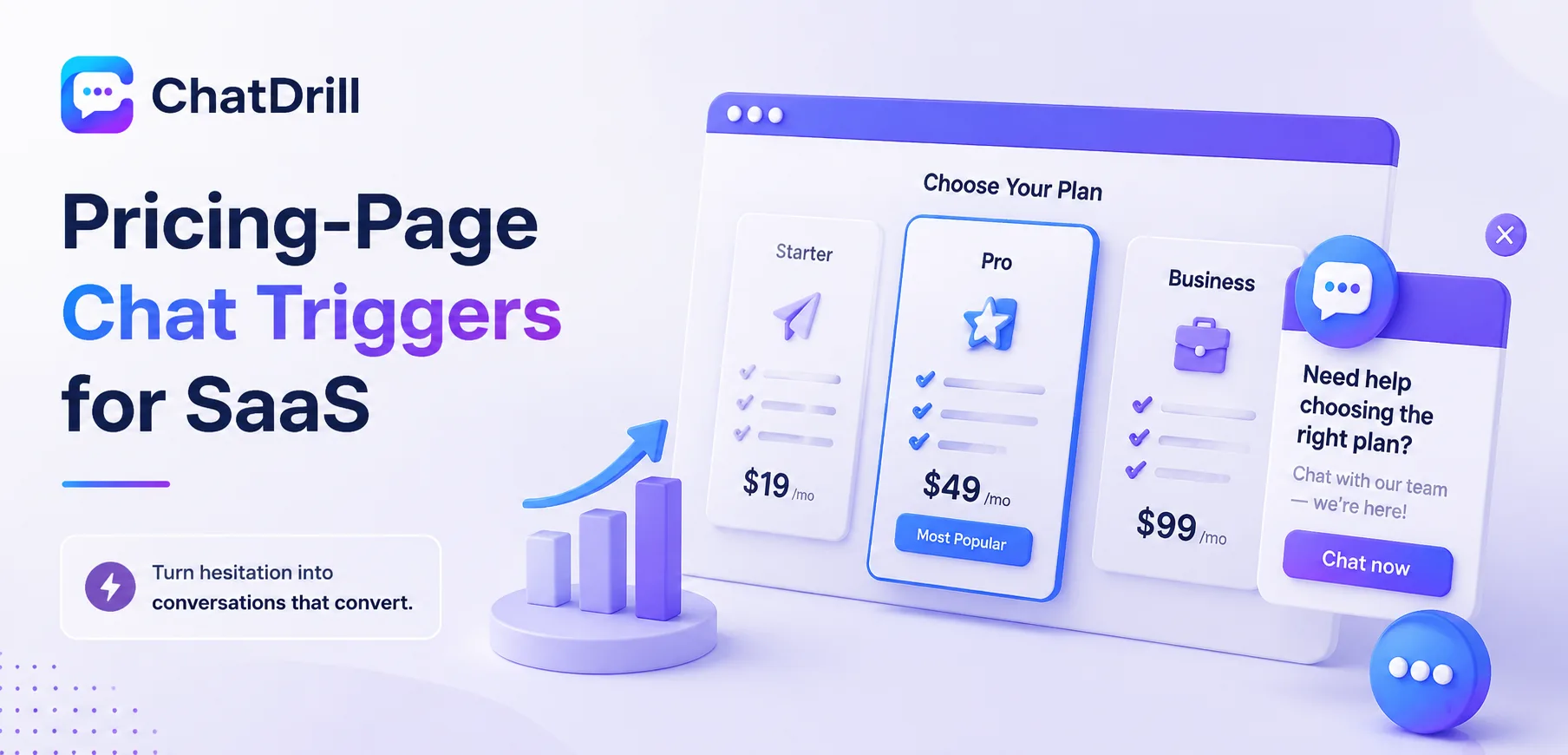
"Since you're on the Starter plan, you might find the Pro tier's [specific feature] useful given what you mentioned — want me to walk through it?"
"A lot of customers with your usage pattern end up finding [upgrade] helpful down the line — happy to explain if you're curious."
Complementary Product Cross-Sell Scripts

Cross-sell scripts should reference a genuine, relevant connection between what the customer already has and what's being suggested, rather than a disconnected, generic product mention.
Cross-sell templates
"Since you're getting [product], a lot of customers also pick up [complementary product] — want me to add it, or just share more details?"
"That pairs really well with [complementary item] if you're looking to round out your setup."
Feature Adoption and Expansion Scripts

Feature adoption scripts encourage a customer to use more of what they're already paying for, building genuine value before ever suggesting a paid upgrade.
Feature adoption templates
"Have you tried [existing feature] yet? Based on what you're describing, it might solve this directly."
"You're actually already able to do that with your current plan — want me to show you how?"
Timing and Framing Guidance

Timing an upsell after the original need is resolved, and framing it around genuine customer benefit rather than business revenue, keeps the suggestion feeling helpful rather than like an interruption.
When to introduce an upsell or cross-sell
Waiting until the customer's original question or issue is genuinely resolved, rather than introducing a suggestion mid-problem, respects that they came to chat for a specific reason first.
This sequencing matters even when the upsell feels highly relevant, since interrupting original intent tends to feel presumptuous regardless of how good the suggestion actually is.
Framing around customer benefit
Phrasing the suggestion around what the customer specifically gets, rather than what the business gains from the sale, keeps the tone genuinely helpful rather than transactional.
This framing shift often requires minimal wording changes but meaningfully affects how the suggestion is received.
Avoiding a Pushy Tone
Making the suggestion easy to decline without further pressure, and never repeating a declined offer within the same conversation, keeps the interaction feeling respectful rather than aggressive.
Respecting a decline
Accepting "no thanks" gracefully and moving on, rather than repeating the offer or pushing further, preserves the trust built during the rest of the conversation.
This respect for a decline costs nothing and meaningfully protects the overall customer relationship, even when the specific upsell doesn't land this time.
Common Mistakes With Upsell and Cross-Sell Scripts

The most common mistakes are suggesting an upsell before the original issue is resolved, using generic rather than genuinely relevant recommendations, and continuing to push after a clear decline.
Suggesting before resolution
Introducing an upgrade or cross-sell while the customer's original question is still unresolved makes the suggestion feel like an interruption rather than a natural next step.
Waiting until the original need is genuinely addressed, every time, keeps the sequencing from feeling presumptuous.
Generic rather than relevant recommendations
A suggestion with no clear connection to what the customer has actually discussed reads as a scripted sales tactic rather than a genuinely thoughtful recommendation.
Grounding every suggestion in something specific from the conversation keeps it feeling relevant rather than generic.
Continuing to push after a decline
Bringing up the same suggestion again later in the same conversation, after it's already been declined, undoes the goodwill a respectful first attempt would have built.
Letting a decline stand, without revisiting it, is a small discipline that protects the broader customer relationship.