
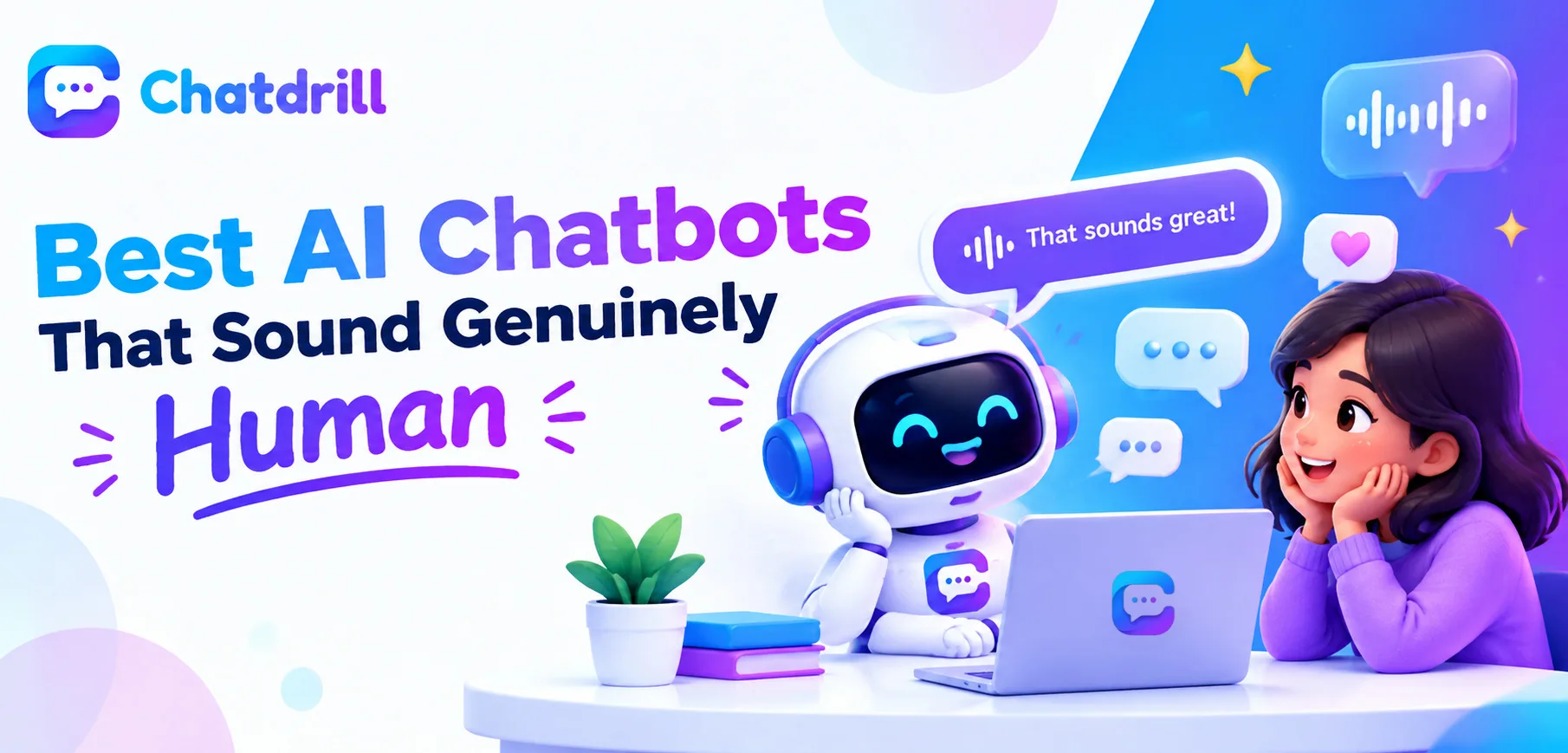
A chatbot that sounds robotic and rigid undermines trust and satisfaction even when it technically provides a correct answer, making genuine conversational naturalness a real, legitimate evaluation priority rather than a purely cosmetic preference.
Quick answer: AI chatbots that sound genuinely human depend more on the quality of training data and natural language understanding than any single vendor's branding, with platforms like Tidio's Lyro AI and Intercom's Fin commonly cited for genuinely natural-feeling responses, though the most reliable way to judge this quality is testing directly with your own real customer questions rather than relying on marketing claims.
This naturalness quality depends less on any single vendor's overall reputation and more on the genuine sophistication of the underlying language model and, critically, how well the specific chatbot is trained on your particular business's content and tone.
Understanding what actually drives this quality, and how to evaluate it directly rather than trusting marketing language alone, helps a business choose a chatbot that genuinely feels natural to its own actual customers.
This guide covers what drives genuinely natural-sounding responses, platforms commonly cited for this quality, common evaluation mistakes, key questions to ask, and how ChatDrill approaches this specific goal.
What Genuinely Drives Natural-Sounding Responses
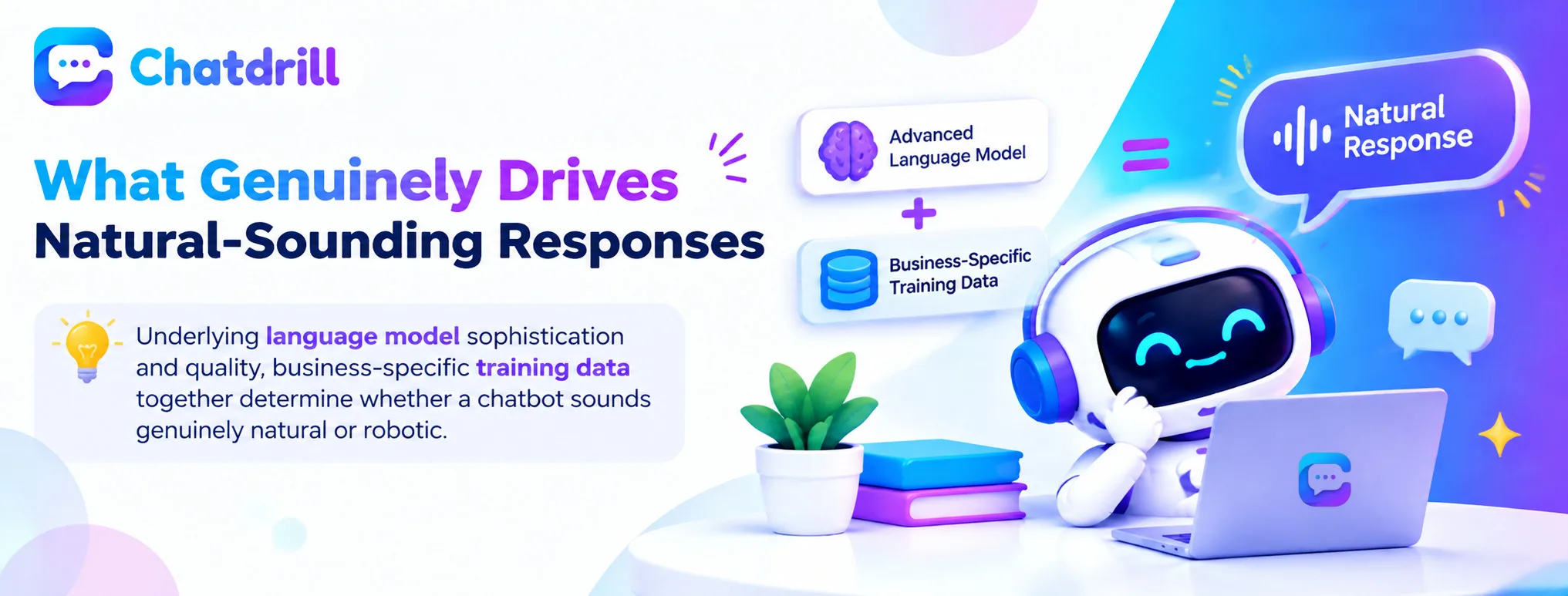
Underlying language model sophistication and quality, business-specific training data together determine whether a chatbot sounds genuinely natural or robotic.
Underlying language model sophistication
The foundational AI model powering a chatbot's language generation directly shapes how naturally it can phrase responses, with more advanced, modern models generally producing more fluid, contextually appropriate language than older, more rigid systems.
This foundational quality sets a genuine ceiling on how natural a chatbot can sound, though it's not the only factor that determines the actual, final experience a customer has.
Quality, business-specific training data
Even a sophisticated underlying model produces generic or awkward responses if trained only on limited, poor-quality, or genuinely mismatched content, meaning the specific training investment a business makes meaningfully shapes final naturalness beyond the base model alone.
This means two businesses using the identical underlying chatbot platform can experience noticeably different naturalness quality, depending specifically on how well each has invested in accurate, tone-appropriate training content.
Platforms Commonly Cited for This Quality
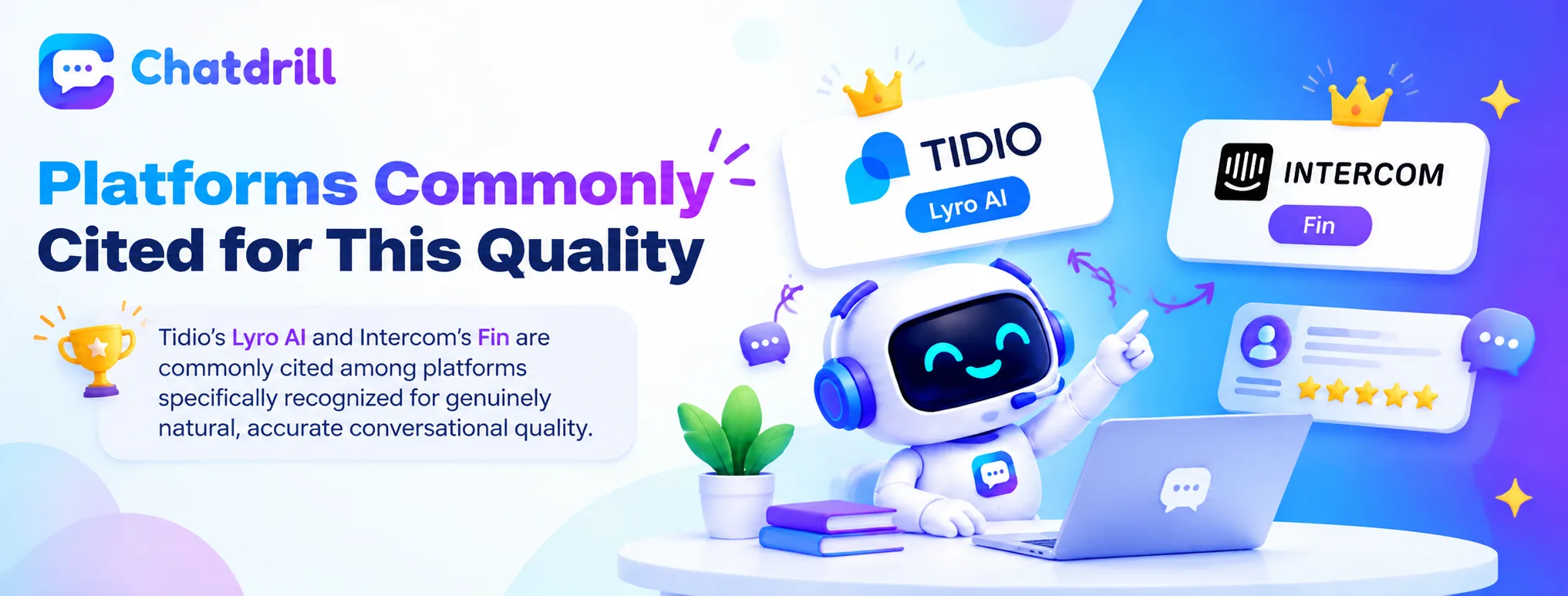
Tidio's Lyro AI and Intercom's Fin are commonly cited among platforms specifically recognized for genuinely natural, accurate conversational quality.
Tidio's Lyro AI for accessible natural automation
Tidio's Lyro AI agent is commonly cited for resolving customer queries using genuinely natural language grounded in a business's own support content, combining reasonable naturalness with accessible pricing.
This combination makes it a genuinely practical option for a business wanting natural-feeling automation without a significant upfront investment.
Intercom's Fin for deeper conversational sophistication
Intercom's Fin AI is commonly cited for handling more genuinely nuanced, complex queries with natural conversational flow, reflecting the platform's broader investment in AI implementation depth.
This deeper capability comes with a correspondingly higher price point, making it more suited to a business with the budget to invest specifically in this level of conversational sophistication.
Common Mistakes in Evaluating This Quality
Trusting vendor marketing claims without direct testing, and underinvesting in your own training content quality, are common evaluation mistakes.
Trusting marketing claims without direct testing
Every vendor claims their chatbot sounds natural, making this specific marketing language essentially uninformative without direct, hands-on testing using your own genuine, varied customer questions.
Testing a candidate platform yourself, as this guide's evaluation section recommends, provides considerably more reliable evidence than any general marketing claim.
Underinvesting in your own training content quality
Assuming a sophisticated underlying model alone guarantees natural results, without investing genuine effort in accurate, well-organized training content, produces a less naturally-sounding result than the platform is actually capable of.
Recognizing that naturalness depends on both platform capability and your own training investment, as this guide identifies, avoids this common, underinvestment mistake.
Key Questions to Ask Before Choosing
Testing directly with your own real customer questions and asking about training customization depth are the most useful evaluation steps here.
How does this respond to my own real customer questions?
Running a genuinely representative sample of your own actual customer questions through a candidate platform reveals real naturalness quality more reliably than any demo or marketing example a vendor selects themselves.
This direct test should include genuinely varied, natural phrasing, typos included, since real naturalness shows most clearly in how gracefully a chatbot handles authentic, imperfect human language.
How much can I customize the tone and training?
Confirming how deeply you can customize training content and tone, rather than accepting a fixed, generic default, ensures you can genuinely shape the naturalness quality toward your own specific brand voice.
This customization depth matters given how directly your own training investment affects the final naturalness this guide identifies as achievable beyond the base platform capability alone.