
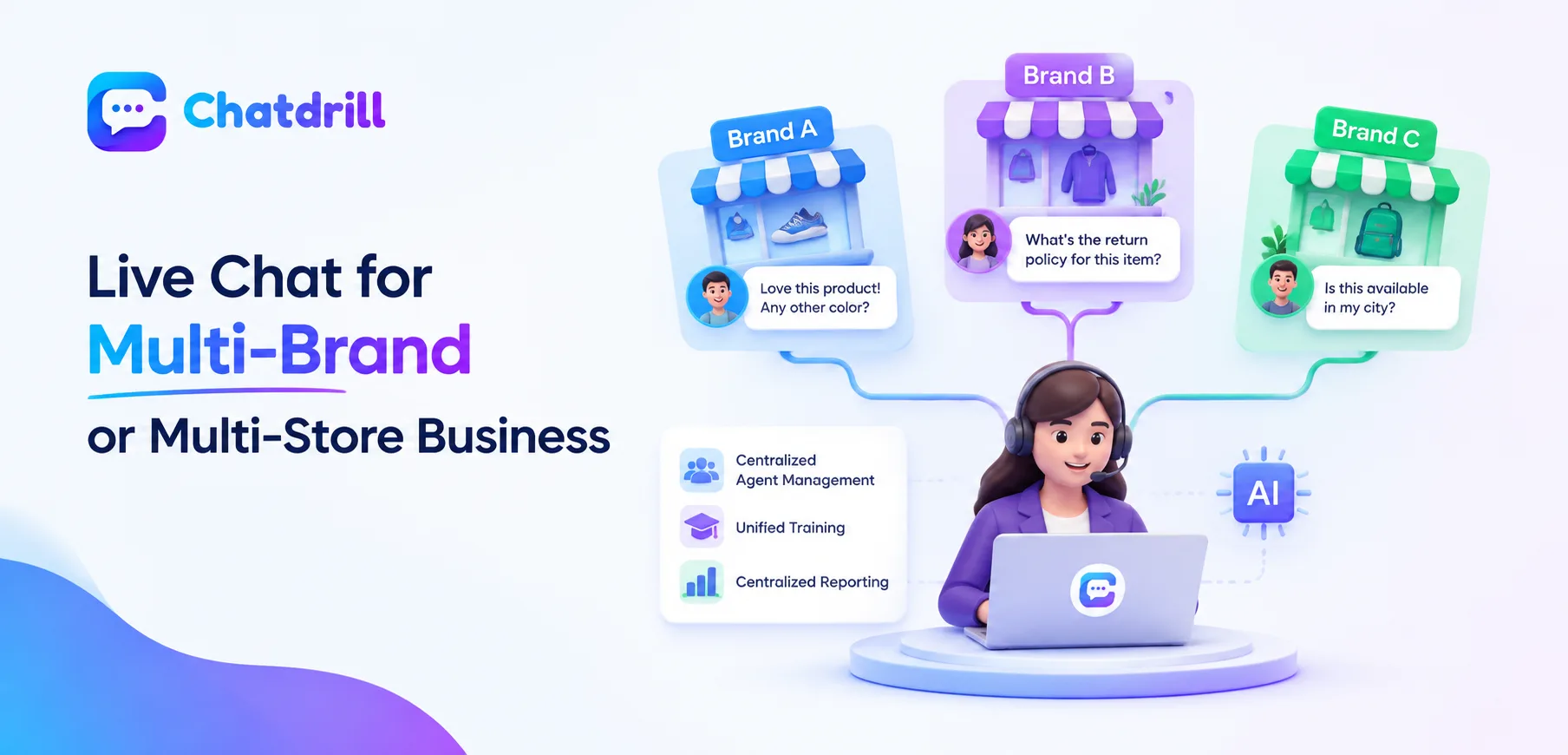
Business A business operating multiple brands or storefronts faces a genuine tension between maintaining each brand's distinct identity and voice, and achieving the operational efficiency that comes from centralizing support infrastructure and staffing.
Quick answer: Live chat supports a multi-brand or multi-store business through configurable, brand-specific widgets and AI training that keep each brand's voice, policies, and product knowledge distinct, while still centralizing agent management and reporting behind the scenes for genuine operational efficiency across the whole portfolio.
Live chat, when configured thoughtfully, can serve this multi-brand structure well, presenting a genuinely distinct experience to each brand's customers while still letting a business manage staffing, training, and reporting centrally behind the scenes.
Understanding how to configure chat for this specific structural challenge, rather than either forcing brand uniformity or maintaining fully separate, redundant systems, helps a business capture genuine efficiency without sacrificing brand distinctiveness.
This guide covers the multi-brand configuration challenge, specific tactics for balancing distinctiveness and efficiency, common mistakes, measuring the actual impact, and how ChatDrill supports multi-brand chat.
The Multi-Brand Configuration Challenge
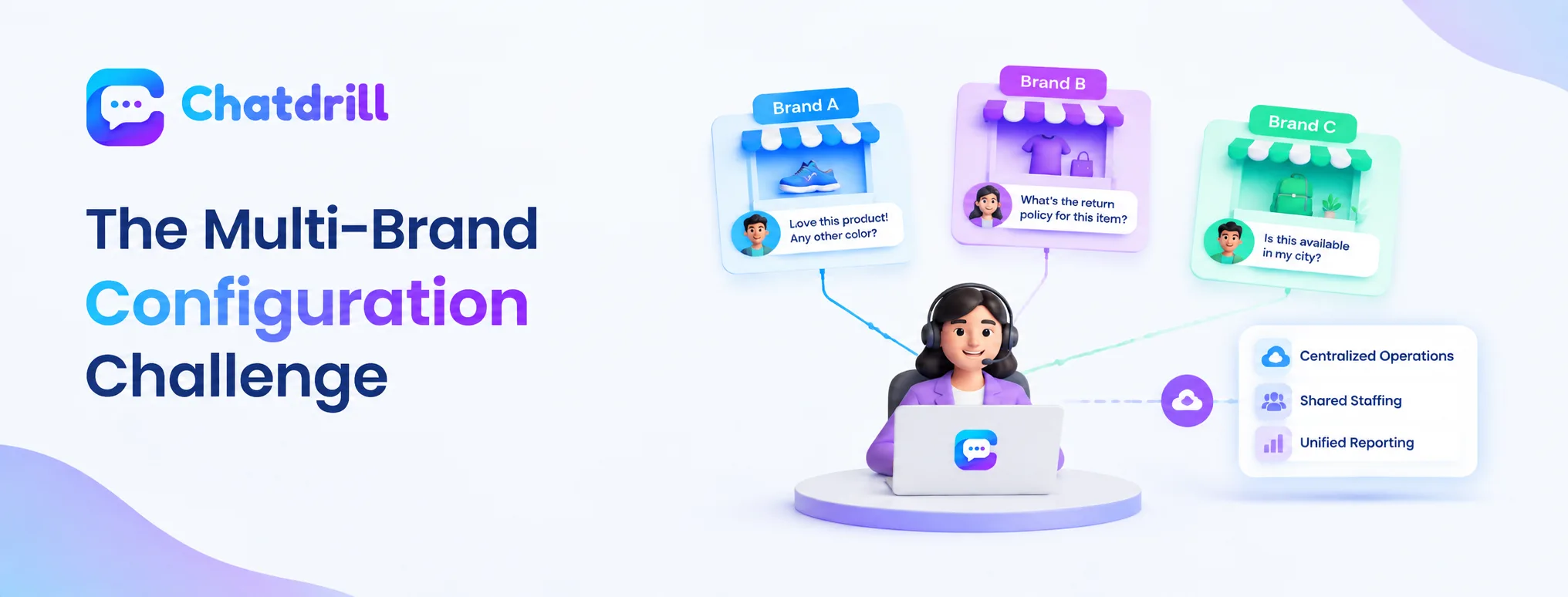
A multi-brand business needs each brand's chat experience to feel genuinely distinct while still benefiting from centralized operational efficiency.
Why brand distinctiveness genuinely matters in chat
A customer interacting with one brand within a larger portfolio generally expects that specific brand's voice, tone, and product knowledge, not a generic, blended experience that fails to reflect the distinct identity they engaged with in the first place.
Maintaining this distinctiveness protects each individual brand's genuine positioning and customer relationship, even when the underlying operational infrastructure is shared across the broader business.
Why centralized efficiency still matters operationally
Maintaining entirely separate, redundant chat systems and staffing for each brand sacrifices genuine efficiency gains available through shared infrastructure, centralized reporting, and cross-trained staffing flexibility across the full portfolio.
Balancing these two genuine needs, rather than fully prioritizing one over the other, is the core challenge this guide's tactics address directly.
Specific Tactics for Balancing Distinctiveness and Efficiency
Brand-specific widget appearance and AI training
agent management and reporting, achieves both genuine goals simultaneously.
Configurable, brand-specific widget and AI settings
Configuring each brand's chat widget with its own distinct colors, tone, and AI training reflecting that brand's specific products and policies ensures customers experience genuine brand-appropriate interaction regardless of shared underlying infrastructure.
This brand-specific configuration is what preserves the distinctiveness this guide identifies as essential, even while the underlying platform and staffing remain shared across brands.
Centralized agent management and reporting
Managing agent staffing, training, and performance reporting centrally, even while individual conversations reflect brand-specific configuration, captures the operational efficiency this guide identifies as the genuine benefit of shared infrastructure.
This centralization also supports cross-training agents to handle multiple brands flexibly, providing staffing resilience a fully siloed, brand-by-brand structure wouldn't offer.
Common Mistakes in Multi-Brand Chat Configuration
Applying one generic configuration across every brand, and failing to actually capture the centralization efficiency shared infrastructure should provide, are common mistakes.
Applying one generic configuration across every brand
Using an identical widget appearance and AI training across genuinely distinct brands undermines the brand-specific distinctiveness this guide identifies as important, producing a generic experience that fails to reflect each brand's actual identity.
Investing in the brand-specific configuration this guide's tactics recommend, even while sharing underlying infrastructure, avoids this specific, identity-diluting mistake.
Not capturing the genuine centralization efficiency
Setting up genuinely separate systems for each brand, rather than a shared platform with brand-specific configuration, misses the efficiency gains this guide identifies as a key benefit of the multi-brand structure done well.
Ensuring the underlying platform genuinely supports centralized management, even while presenting brand-specific experiences, captures this efficiency this guide's tactics describe.
Measuring the Actual Multi-Brand Chat Impact
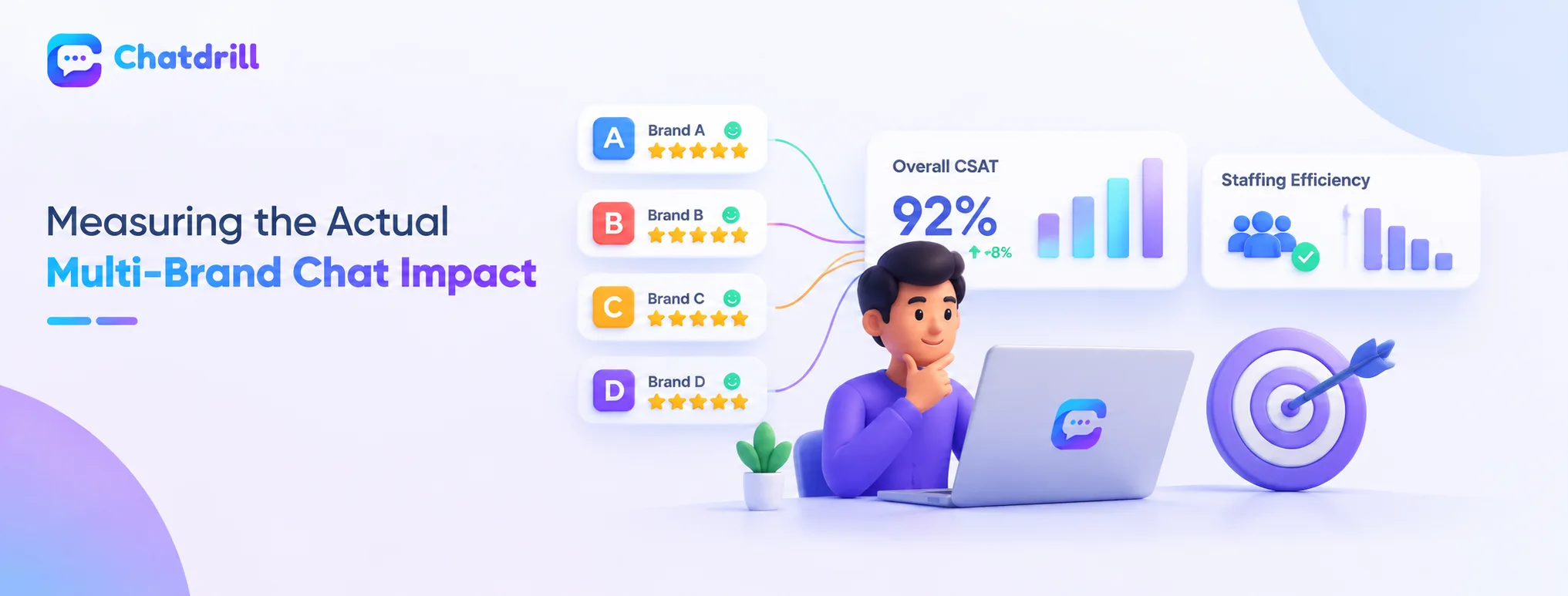
Tracking per-brand customer satisfaction separately
reveals whether the multi-brand configuration is genuinely achieving both goals.
Tracking per-brand customer satisfaction separately Monitoring CSAT and other quality metrics separately for each individual brand, rather than one blended average, reveals whether brand-specific configuration is genuinely delivering the distinctiveness this guide identifies as essential.
This brand-level view catches any specific brand experiencing a genuinely degraded experience, information a single, blended metric across the whole portfolio would likely mask.
Tracking overall staffing and operational efficiency
Measuring whether centralized staffing and reporting genuinely reduce total support costs or improve resource flexibility compared to a fully siloed, per-brand structure confirms whether the centralization effort is delivering its intended efficiency benefit.
This efficiency tracking, alongside the per-brand satisfaction tracking above, together confirm whether the multi-brand configuration is genuinely achieving both goals this guide identifies as important.
How ChatDrill Supports Multi-Brand and Multi-Store
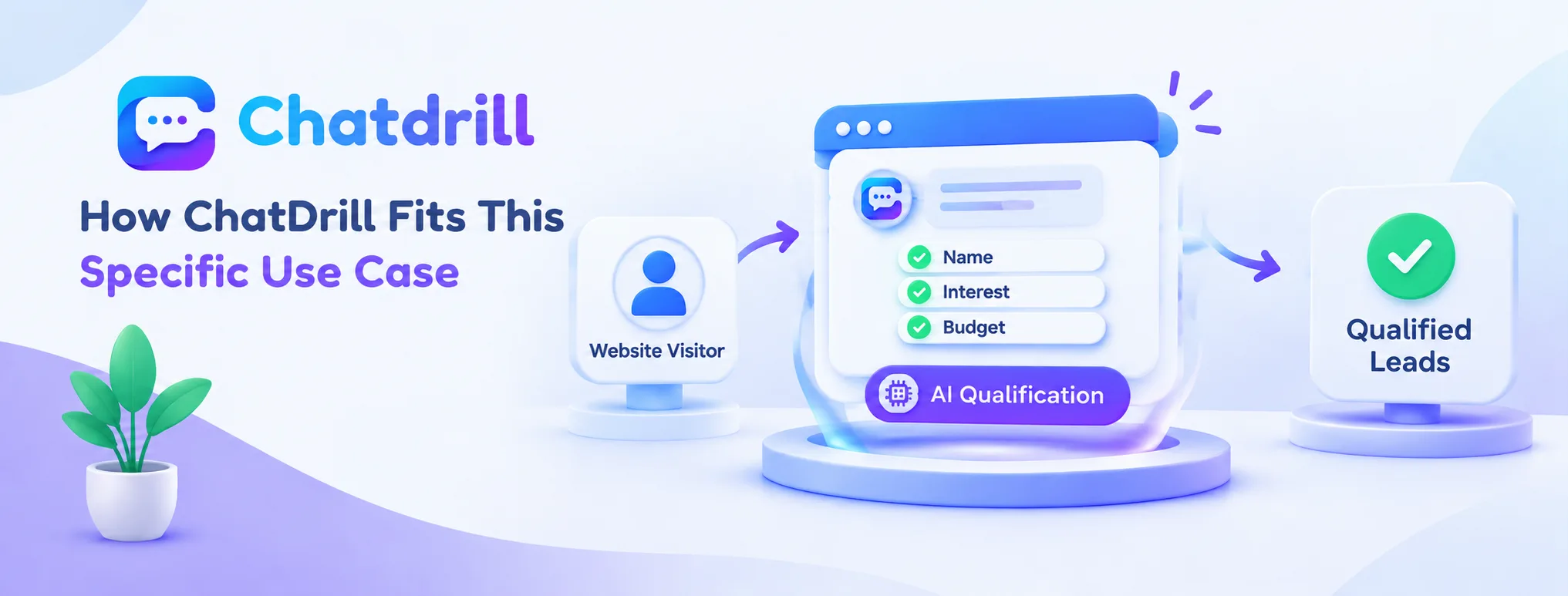
ChatDrill supports configurable, brand-specific widgets and AI training combined with centralized management, reflecting the balanced approach this guide identifies as most effective.
Configurable, brand-specific widget and AI settings ChatDrill allows each brand within a multi-brand business to have its own distinct widget appearance and AI training reflecting that brand's specific voice and products, preserving the distinctiveness this guide identifies as essential.
This configurability ensures every brand's customers experience genuinely appropriate, brand-specific interaction despite sharing the same underlying platform.
Centralized management and reporting across the portfolio
ChatDrill supports centralized agent management, staffing, and performance reporting across a full multi-brand portfolio, capturing the operational efficiency this guide identifies as the genuine benefit of shared infrastructure.
This centralization gives a business genuine visibility and control across its entire brand portfolio, while individual conversations still reflect the brand-appropriate configuration this guide's tactics recommend.